
Knowledge Base
Metals
Gold
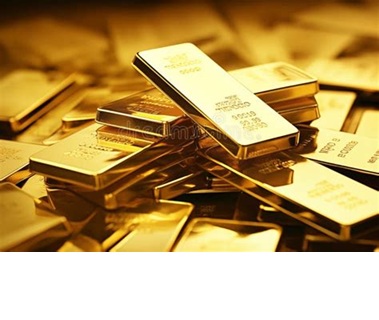
Gold is the most famous of all precious metals. Pure gold is identified as 24K or 999 fine and is always yellow.
Gold is a very dense metal, more than 19 times as heavy as water. That's 70% heavier than lead. In its pure state, gold is very soft and is only suitable for jewellery that doesn't have to cope with everyday wear.
Gold is usually alloyed (mixed) with other metals to make it more hardwearing. In the UK, the normal alloys are 9ct (37.5% gold), 14ct (58.5%), 18ct (75%) and 22ct (91.6%). The higher the gold content, the softer the alloy and 18ct is the softest alloy that's suitable for everyday use. 22ct items tend to wear out over time.
Alloying gold changes its density. 9ct gold is lighter than 14ct, 14ct lighter than 18ct, etc. The same item will weigh 50% more in 18ct gold than in 9ct, which virtually triples the material cost (twice the purity and 50% extra because it's heavier).
Alloying also creates an opportunity to change its overall colour. Alloys can be produced that are yellow, white or rose. Generally, white and rose golds are slightly more expensive than yellow golds of the same purity.
Platinum
Platinum is a hard, silvery-grey metal. It polishes to a very high lustre and scratches less easily than gold. Its hardness makes it suitable for a lifetime's wear. Platinum can be used in its pure state but is usually alloyed to make it less difficult to work and to reduce its cost a little. All platinum alloys are white.
Platinum is even heavier than gold and is produced in alloys of 99.9% pure, 95%, 90% or occasionally 85%. That means that all alloys are heavier than 18ct gold and all are of higher purity. That accounts for platinum's reputation for being more precious than gold.
At the moment, the price of gold is hitting record highs and platinum is less expensive than 18ct gold, making it a cost effective alternative to 18ct white gold.
Platinum is hard to work by hand and its very high melting point makes it difficult to melt and to join. The extra labour involved in fashioning platinum items will affect the cost of an item.
Palladium
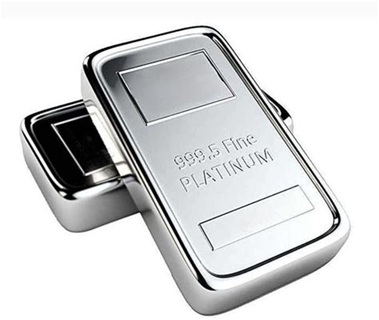
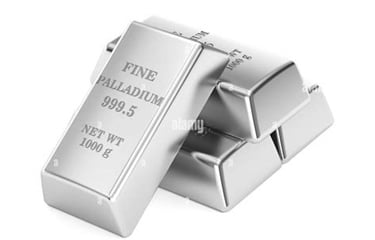
Palladium is commercially traded precious metal. It's a member of the same metals group as platinum but is less expensive. It has very similar properties to platinum but is lighter at around the same density as 9ct gold. It's harder than gold alloys, though not quite as hardwearing as platinum. It's almost exactly the same colour as platinum and is indistinguishable to the untrained eye.
Palladium is hallmarked at purities of 99.9%, 95% and 50%. Its lower price and lighter weight make palladium a good substitute for platinum. 95% palladium pieces work out more expensive than 9ct gold but usually less expensive than 14ct. 50% palladium pieces can cost less than 9ct gold items.
High purity palladium pieces do not tarnish but items made in 50% alloys will need to be polished from time to time to maintain their colour and shine.